
 English
 Español
 日本語
日本語 Français
 Deutsch
 Tiếng Việt
 العربية
 Portugues
 lingua italiana
Digital signage solutions refer to the use of digital displays and software to deliver dynamic visual content in various settings, such as retail stores, corporate environments, transportation hubs, educational institutions, and more. These solutions typically involve a combination of hardware, software, and content management systems to create, manage, and display multimedia content on digital screens.
Components and features commonly found in digital signage solutions:
Display Screens: Digital signage relies on screens or monitors to showcase content. These can range from small screens like tablets to large video walls or interactive touchscreens, depending on the application and location. These screens come in a range of sizes and formats, offering flexibility in terms of installation and application.Here are some common types of digital display screens:
- LCD digital screens use liquid crystals sandwiched between two layers of glass to display images. They are widely used in digital signage due to their affordability, high resolution, and color reproduction.
- LED Screens are composed of an array of light-emitting diodes that emit light when an electric current passes through them. LED screens are known for their high brightness, contrast, and energy efficiency. They are often used in outdoor or large-scale digital signage applications.
- OLED Screens are made of organic compounds that emit light when an electric current is applied. They offer exceptional color reproduction, high contrast ratios, wide viewing angles, and thin form factors. OLED screens are commonly found in high-end digital signage displays.
- Video walls consist of multiple display screens arranged in a grid to create a larger display area. These screens can be LCD, LED, or OLED panels. Video walls are used to create visually impactful and immersive experiences in locations such as control rooms, retail stores, and event venues.
- Interactive Touchs creens, Some digital display screens feature touch-sensitive overlays, allowing users to interact with the content. These touchscreens can facilitate interactive experiences, such as wayfinding, product browsing, or information retrieval. They are commonly found in retail stores, museums, and educational institutions.
- Transparent displays use specialized technology to create screens that allow viewers to see both the displayed content and objects behind the screen. These screens offer unique design possibilities and are often used in showcases, retail displays, and augmented reality applications.
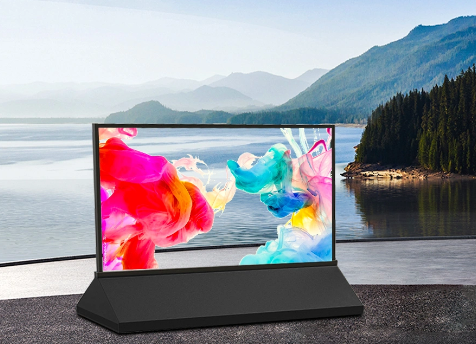
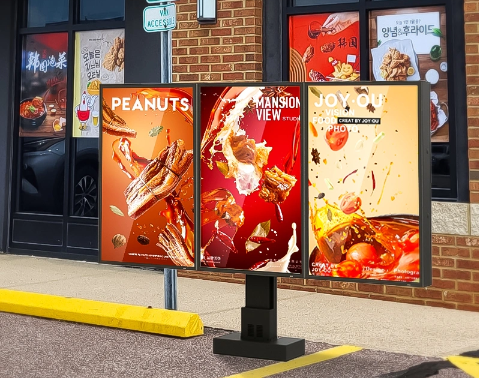
Digital display screens can be mounted on walls, integrated into kiosks or digital signage enclosures, or even embedded into fixtures like mirrors or windows. They are typically connected to media players or content management systems to deliver and manage the multimedia content being displayed. The choice of digital display screens depends on factors such as the intended environment, content requirements, budget, and desired visual impact. It's important to consider factors like screen size, resolution, brightness, contrast, and durability when selecting the appropriate display screens for a digital signage project.
Media Players: Media players are devices that connect to the display screens and deliver the content. They decode and play multimedia files, ensuring smooth playback of videos, images, and other media types.
Content Management System (CMS): A CMS is software used to create, schedule, and manage content for digital signage networks. It allows users to design and organize playlists, set display schedules, and remotely control multiple screens from a central interface.
Content Creation and Design Tools: Many digital signage solutions provide tools for creating and editing content. These tools often include templates, image and video editing capabilities, and the ability to incorporate dynamic data such as weather updates or social media feeds.
Network Infrastructure: Digital signage solutions typically require a network infrastructure to connect the media players and screens. This can be a local network for smaller deployments or a cloud-based network for larger and more geographically distributed deployments.
Analytics and Reporting: Advanced digital signage solutions may include analytics and reporting features that provide insights into content performance, audience engagement, and system health. These analytics can help optimize content strategies and measure the impact of digital signage campaigns.
Integration Capabilities: Digital signage solutions can integrate with other systems and technologies, such as POS systems, social media platforms, data feeds, or external sensors. This allows for real-time updates, personalized content, and more interactive experiences.
Security and Monitoring: To ensure the stability and security of digital signage networks, solutions may include features like device management, content approval workflows, and security protocols.
Digital signage solutions offer various benefits, including the ability to deliver targeted and relevant content, enhance customer experiences, increase brand visibility, improve communication, and provide real-time updates. The versatility and scalability of these solutions make them valuable in diverse industries and environments.
EKAA Technology was established in 2012. As a ISO9001 certified manufacturer, we had become a world-class and reliable ODM/OEM partners in the market. We are equipped with the most advanced automatic machines and well-equipped devices for Outdoor & Indoor LCD Display production, which can support our monthly production capability. Our hot-selling products are involved in Outdoor LCD digital signage, window facing high brightness display and all-in-one interactive LCD touch screens, etc. The custom services we offer are tailor-fit according to the clients’ specific requirements and demands. Our Products have been exported to more than 100 countries and regions, and most of them were certified with CE/RoHS/FCC/IC/SASO/PSE etc,. Our exceptional engineering and manufacturing expertise plus broad experience in the digital signage industry add value to both our customer.


