
 English
 Español
 日本語
日本語 Français
 Deutsch
 Tiếng Việt
 العربية
 Portugues
 lingua italiana

In today's digital age, the magic of touch has become a transformative force, revolutionizing the way we interact with technology. Interactive displays, with their ability to respond to touch gestures and create immersive experiences, have taken center stage in various domains, from education and entertainment to retail and healthcare. In this article, we delve into the captivating world of interactive displays, uncovering their capabilities, applications, and the enchanting experiences they bring to our lives.
---Touch Technology: A Sensory Connection
We begin by delving into the technology behind interactive displays. We explore the different touch sensing technologies, such as capacitive, resistive, and infrared, which enable displays to detect touch input. We discuss how these technologies have evolved over time, improving accuracy, responsiveness, and multitouch capabilities.
We begin by delving into the technology behind interactive displays. We explore the different touch sensing technologies, such as capacitive, resistive, and infrared, which enable displays to detect touch input. We discuss how these technologies have evolved over time, improving accuracy, responsiveness, and multitouch capabilities.
---Immersive Experiences: Engaging the Senses
Interactive displays offer immersive experiences that captivate our senses. We explore the use of high-resolution screens, vibrant colors, and dynamic visuals to create stunning visuals and lifelike simulations. From interactive storytelling to virtual reality experiences, we discuss how touch-enabled displays provide a sense of presence and interactivity, transporting users to new realms of engagement.
Interactive displays offer immersive experiences that captivate our senses. We explore the use of high-resolution screens, vibrant colors, and dynamic visuals to create stunning visuals and lifelike simulations. From interactive storytelling to virtual reality experiences, we discuss how touch-enabled displays provide a sense of presence and interactivity, transporting users to new realms of engagement.
---Education and Learning: Empowering the Mind
Interactive displays have revolutionized the education landscape, making learning more interactive, engaging, and inclusive. We explore their role in classrooms, where students can actively participate in lessons, manipulate digital content, and collaborate seamlessly. From interactive whiteboards to touchscreen tablets, we discuss how interactive displays have transformed teaching and learning methodologies.
Interactive displays have revolutionized the education landscape, making learning more interactive, engaging, and inclusive. We explore their role in classrooms, where students can actively participate in lessons, manipulate digital content, and collaborate seamlessly. From interactive whiteboards to touchscreen tablets, we discuss how interactive displays have transformed teaching and learning methodologies.
---Entertainment and Gaming: A World of Play
The world of entertainment has been forever changed by interactive displays. We delve into the realm of gaming, where touch-enabled screens provide intuitive and immersive gameplay experiences. From mobile gaming to arcade systems, we explore how touch technology has redefined the way we play and interact with virtual worlds.
The world of entertainment has been forever changed by interactive displays. We delve into the realm of gaming, where touch-enabled screens provide intuitive and immersive gameplay experiences. From mobile gaming to arcade systems, we explore how touch technology has redefined the way we play and interact with virtual worlds.
---Retail and Consumer Experiences: Bridging the Gap
Interactive displays have revolutionized the retail industry, creating captivating consumer experiences. We discuss how touch-enabled displays empower shoppers to explore products, customize options, and make informed decisions. From interactive product catalogs to virtual try-on solutions, we explore how these displays bridge the gap between online and physical retail, enhancing customer engagement.
Interactive displays have revolutionized the retail industry, creating captivating consumer experiences. We discuss how touch-enabled displays empower shoppers to explore products, customize options, and make informed decisions. From interactive product catalogs to virtual try-on solutions, we explore how these displays bridge the gap between online and physical retail, enhancing customer engagement.
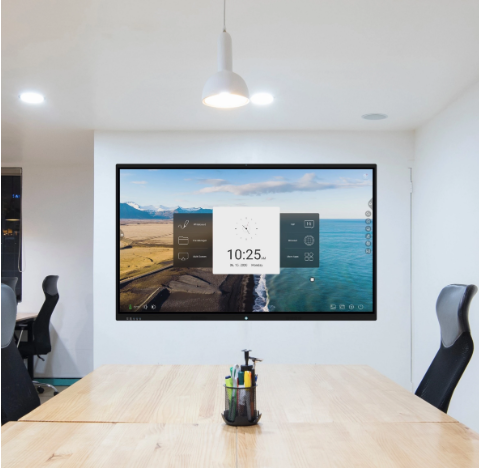
---Healthcare and Wellness: Touching Lives
In the healthcare sector, interactive displays have proven invaluable. We explore their applications in medical diagnostics, patient education, and rehabilitation. We discuss how touch-enabled displays provide intuitive interfaces for medical professionals and enable patients to interact with health-related information, promoting informed decision-making and enhanced patient outcomes.
In the healthcare sector, interactive displays have proven invaluable. We explore their applications in medical diagnostics, patient education, and rehabilitation. We discuss how touch-enabled displays provide intuitive interfaces for medical professionals and enable patients to interact with health-related information, promoting informed decision-making and enhanced patient outcomes.
---Design and Innovation: Shaping the Future
Interactive displays have become a canvas for design and innovation. We delve into the world of interactive art installations, public displays, and interactive exhibits, showcasing how these displays merge creativity, technology, and human interaction. From interactive museums to interactive architectural designs, we explore how touch-enabled displays push the boundaries of design and inspire new possibilities.
Interactive displays have become a canvas for design and innovation. We delve into the world of interactive art installations, public displays, and interactive exhibits, showcasing how these displays merge creativity, technology, and human interaction. From interactive museums to interactive architectural designs, we explore how touch-enabled displays push the boundaries of design and inspire new possibilities.
---Challenges and Future Directions
While interactive displays offer magical experiences, they also face challenges. We discuss factors like cost, durability, and accessibility that influence their widespread adoption. Additionally, we explore emerging trends, such as haptic feedback, gesture recognition, and augmented reality, that will shape the future of interactive displays, making them even more immersive and seamless. is the integration of Augmented Reality (AR) and Mixed Reality (MR) technologies, how these technologies overlay digital information onto the real world to create interactive and immersive experiences. From interactive holographic displays to wearable AR/MR devices, the way we perceive and interact with our digital and physical environments is being redefined.
While interactive displays offer magical experiences, they also face challenges. We discuss factors like cost, durability, and accessibility that influence their widespread adoption. Additionally, we explore emerging trends, such as haptic feedback, gesture recognition, and augmented reality, that will shape the future of interactive displays, making them even more immersive and seamless. is the integration of Augmented Reality (AR) and Mixed Reality (MR) technologies, how these technologies overlay digital information onto the real world to create interactive and immersive experiences. From interactive holographic displays to wearable AR/MR devices, the way we perceive and interact with our digital and physical environments is being redefined.
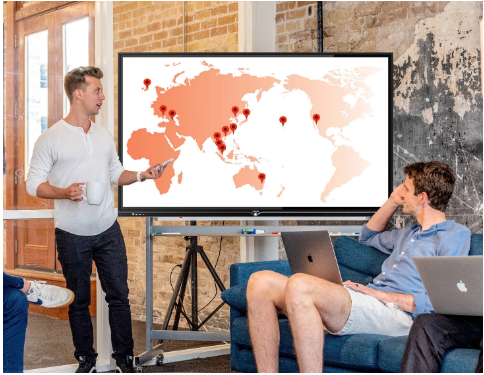
The magic of touch has unlocked a world of possibilities through interactive displays. From education to entertainment, retail to healthcare, these displays have transformed the way we interact with technology, elevating our experiences and bridging the gap between the physical and digital realms. As technology advances, the future holds even more enchanting possibilities for interactive displays, promising to captivate our senses and empower our connection with the digital world
EKAA Technology was established in 2012. As a ISO9001 certified manufacturer, we had become a world-class and reliable ODM/OEM partners in the market. We are equipped with the most advanced automatic machines and well-equipped devices for Outdoor & Indoor LCD Display production, which can support our monthly production capability. Our hot-selling products are involved in Outdoor LCD digital signage,window facing high brightness display and all-in-one interactive LCD touch screens, etc. The custom services we offer are tailor-fit according to the clients’ specific requirements and demands. Our Products have been exported to more than 100 countries and regions, and most of them were certified with CE/RoHS/FCC/IC/SASO/PSE etc,. Our exceptional engineering and manufacturing expertise plus broad experience in the digital signage industry add value to both our customer.


