
 English
 Español
 日本語
日本語 Français
 Deutsch
 Tiếng Việt
 العربية
 Portugues
 lingua italiana
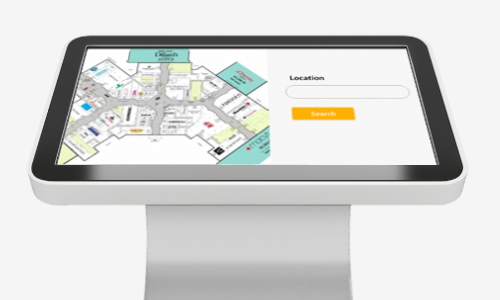
In a world where technology continues to shape our daily experiences, digital wayfinding kiosks have emerged as a prominent solution to address the complexities of navigating modern spaces. These interactive systems combine the power of digital technology with the practicality of traditional wayfinding, revolutionizing the way people find their way in diverse environments such as airports, shopping malls, hospitals, and educational institutions.
What Is Digital Wayfinding Kiosk?
Wayfinding involves navigating within a specific location or between different locations. The evolution of this process has led to digital wayfinding, which employs electronic means such as maps and digital routing for navigation. This marks the next stage in providing directional assistance, a progression popularized by applications like Waze and Google Maps. Unlike traditional methods, these apps leverage external data to guide users seamlessly from one location to another, optimizing the route for efficiency.
Outdoor wayfinding kiosk can help users navigate their destination and encourages them to explore their surrounding area with interactive information. The wayfinding capabilities make it easy for users to learn about attractions in the area and find the most direct route from point A to point B.

Key Components
1. Touchscreen Interface
Digital wayfinding kiosks typically feature intuitive touchscreen interfaces that allow users to interact with the system effortlessly. Users can input their destination or select points of interest directly on the screen, initiating the wayfinding process.
2. Digital Maps
The heart of a digital wayfinding kiosk lies in its digital maps. These maps are not static; they are dynamic, often integrating real time data to account for changes in the environment, such as closed pathways, ongoing events, or temporary obstructions. This ensures that users receive accurate and up to date information.
3. Search Functionality
To facilitate seamless navigation, digital wayfinding kiosks offer robust search functionality. Users can input their desired destination or search for specific points of interest, making the system versatile and accommodating to various user needs.
4. Multimedia Content
Some advanced wayfinding kiosks go beyond basic navigation by incorporating multimedia content. This can include promotional videos, advertisements, or additional information about the surrounding area.
5. Integration with Other Systems
To enhance functionality, digital wayfinding kiosks often integrate with other systems. This can include linking with facility management systems, transportation schedules, or event calendars.
Applications
1. Transportation Hubs
Airports, bus terminals, and train stations are prime examples of environments where digital wayfinding kiosks thrive. Navigating these large and bustling spaces can be daunting, especially for infrequent travelers. Digital kiosks simplify the process, offering clear directions, gate information, and real time updates on departures and arrivals.
2. Shopping Malls
In the retail sector, digital wayfinding kiosks serve as valuable tools for both shoppers and businesses. Shoppers can easily locate stores, amenities, and specific products, while businesses can use the kiosks for targeted advertising and promotions.
3. Healthcare Facilities
Hospitals and medical centers are adopting digital wayfinding kiosks to improve the patient and visitor experience. These kiosks guide individuals to specific departments, clinics, or patient rooms, reducing stress and ensuring timely arrivals.
4. Educational Institutions
Large campuses and educational institutions often utilize digital wayfinding kiosks to assist students, faculty, and visitors in navigating the diverse facilities. These kiosks can also provide information about campus events, lectures, and important announcements.
What Are The Benefits Of Digital Wayfinding Signage And Kiosks?
1. Enhanced User Experience
One of the primary benefits of digital wayfinding kiosks is the enhancement of the overall user experience. Visitors can navigate complex spaces with confidence, reducing anxiety and frustration associated with getting lost or being unsure of their location.
2. Time Efficiency
Digital wayfinding kiosks save time for both users and staff by providing efficient routes to destinations. This is particularly crucial in places with high foot traffic, such as airports or shopping malls, where time is often of the essence.
3. Cost Savings
While the initial investment in digital wayfinding technology may seem significant, the long term benefits often outweigh the costs. Improved navigation efficiency can lead to reduced staffing needs for guiding visitors, and the kiosks can contribute to increased revenue through targeted advertising opportunities.
4. Accessibility
Digital wayfinding kiosks contribute to making spaces more accessible for individuals with disabilities. These systems can offer features like voice commands and visual aids, ensuring that everyone, regardless of physical abilities, can navigate the environment independently.
5. Analytics and Data Insights
Digital wayfinding kiosks generate valuable data on user behavior, popular destinations, and peak usage times. This data can be analyzed to optimize the layout of spaces, improve signage, and enhance overall facility management.
Challenges and Considerations
1. Maintenance
Digital kiosks require regular maintenance to ensure that hardware, software, and data remain up to date. Any malfunctions or technical issues need prompt attention to avoid disruptions in service.
2. User Adoption
Some users, particularly those unfamiliar with technology, may find it challenging to interact with digital wayfinding kiosks. Providing clear instructions, user friendly interfaces, and possibly on site assistance can help overcome this challenge.
3. Security and Privacy
As with any digital system, security and privacy concerns must be addressed. Protecting user data, preventing unauthorized access, and ensuring secure connections are essential considerations in the implementation of digital wayfinding kiosks.
Future Trends
1. Augmented Reality Integration
The integration of augmented reality (AR) could take digital wayfinding to the next level. AR overlays could provide users with real time visual cues and information, enhancing the overall navigation experience.
2. Personalization
Future digital wayfinding systems may become increasingly personalized, offering tailored recommendations based on user preferences, historical navigation patterns, and real time context.
3. Integration with Mobile Devices
Greater integration with users' smartphones and other personal devices is likely to be a key trend. Seamless transitions from mobile navigation to kiosk interaction and vice versa could provide a more continuous and user friendly experience.
4. Sustainability
Sustainability considerations may lead to the development of energy efficient and environmentally friendly digital wayfinding kiosks. This could involve the use of eco friendly materials, energy saving technologies, and responsible end of life disposal practices.
Modern kiosks represent a pivotal advancement in enhancing navigation and user experience within large and complex spaces. As the technology continues to evolve, digital wayfinding kiosks are poised to play an increasingly integral role in shaping the future of navigation in both public and private spaces. If you have any request, please contact EKAA!!! EKAA can easily customize as much or as little as needed to get the look and feel of interactive wayfinding kiosk with the performance and reliability of OEM engineering and manufacturing.


