
 English
 Español
 日本語
日本語 Français
 Deutsch
 Tiếng Việt
 العربية
 Portugues
 lingua italiana
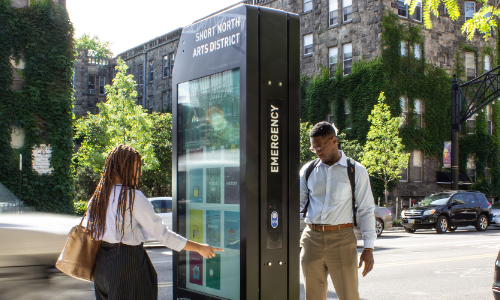
Smart-City-KioskTechnologie gewinnt zunehmend an Aufmerksamkeit und Dynamik, da immer mehr städtische Gebiete Teil der Smart-Cities-Bewegung werden. Diese innovativen Kioskbildschirme sind auf städtischen Plätzen, Regierungsgebäuden, Bushaltestellen und Gehwegen allgegenwärtig und liefern den Bürgern zeitnahe und ortsspezifische Informationen. Der Anstieg ihrer Präsenz wirft Fragen über die Natur intelligenter Kioske und die Vorteile auf, die sie für Städte und ihre Bewohner bringen.
Einführung von Smart CCity-Kiosk
Aintelligenter Kioskbezieht sich auf ein interaktives Display, das üblicherweise in öffentlichen Bereichen aufgestellt wird und Benutzern, Besuchern oder Passanten wichtige Informationen und Dienste bieten soll. DasOutdoor Digital Signage ist ein technologisch fortschrittlicher Informations- und Kommunikationsknotenpunkt, der im Rahmen von Smart-City-Initiativen strategisch in städtischen Gebieten eingesetzt wird. Diese Kioske sind mit digitalen Bildschirmen, interaktiven Schnittstellen und Konnektivitätsfunktionen ausgestattet, um Bewohnern und Besuchern eine Reihe von Diensten und Informationen bereitzustellen.
Diese Kioske bieten in der Regel Echtzeitinformationen zu lokalen Ereignissen, Fahrplänen öffentlicher Verkehrsmittel, Wetteraktualisierungen, Karten, Notfallwarnungen und anderen relevanten Daten. Sie können auch interaktive Dienste wie WLAN-Konnektivität, Orientierungshilfe und Zugriff auf städtische Dienste oder Anwendungen bereitstellen.
Das Hauptziel von Smart-City-Kiosken besteht darin, das städtische Leben durch den Einsatz von Technologie zu verbessern, um die Kommunikation, Zugänglichkeit und die Gesamteffizienz städtischer Dienstleistungen zu verbessern. Durch diese Kioske wollen Städte vernetztere und besser informierte Gemeinschaften schaffen und gleichzeitig zum umfassenderen Konzept des Aufbaus intelligenterer und nachhaltigerer städtischer Umgebungen beitragen.

Was ist ein Smart?Stadt Kiosk Entwickelt, um zu tun?
Ein Smart-City-Kiosk soll Bürgern, Besuchern oder Passanten bequemen Zugang zu Informationen und städtischen Dienstleistungen bieten. Ein intelligenter Kiosk ist in der Regel mit einem interaktiven digitalen Außenbildschirm ausgestattet und ermöglicht Benutzern die mühelose Suche und Beschaffung der erforderlichen Informationen.
Was ist ein Smart?Stadt Kiosk'sRReihe von Funktionen?
Der Hauptzweck einerdigitales Selbst ServicekioskZiel ist es, Kunden in die Lage zu versetzen, eine Vielzahl allgemeiner Aufgaben selbstständig und ohne das Eingreifen eines engagierten Mitarbeiters zu erledigen. Dies erstreckt sich über Aktivitäten.
Wegweiser– Unterstützung der Benutzer beim Navigieren durch die Straßen der Stadt und beim Auffinden von Zielen.
Transport– Bereitstellung von Fahrplänen und Statusaktualisierungen in Echtzeit für Busse, U-Bahnen, Züge und andere öffentliche Verkehrsmittel.
Einträge– Bereitstellung von Informationen über nahegelegene Unternehmen und Restaurants, einschließlich Bewertungen.
Veranstaltungen– Bereitstellung von Einzelheiten zu öffentlich zugänglichen Unterhaltungs- und Gemeinschaftsveranstaltungen.
Zahlung– Erleichterung von Transaktionen für Parkgebühren oder Stadtrechnungen.
Information– Veröffentlichung von Nachrichten, Wetteraktualisierungen und anderen Informationen von öffentlichem Interesse.
Notdienste – Ermöglichen Benutzern die Kontaktaufnahme mit Notdiensten, einschließlich Live-Hilfe bei Bedarf.
Warnungen– Bereitstellung von Unwetterwarnungen, Amber-Warnungen und Straßensperrungsinformationen für die Öffentlichkeit.
W-lan– fungiert als kostenloser WLAN-Hotspot für Benutzer.
Ladestationen– Bereitstellung des Zugangs zu Strom zum Laden mobiler Geräte.
Unabhängig von der spezifischen Funktion besteht das übergeordnete Ziel darin, die Autonomie der Benutzer und die betriebliche Effizienz zu verbessern. Obwohl die Umsetzung von selbst Service-Kioske erfordern eine anfängliche Kapitalinvestition. Sie bieten Unternehmen die Möglichkeit, Routineprozesse zu automatisieren und so den Bedarf an zusätzlicher Arbeitskraft zu minimieren.
Arten von Kiosken
Kioske weisen Unterschiede auf, je nachdem, um welche Art von Geschäft es sich handelt und ob sich der Inhaber für eine elektronische Einrichtung entscheidet oder ihn mit Einzelpersonen besetzt. Die Wahl des Standorts wird typischerweise von der Art des Kiosks beeinflusst. Beispielsweise könnte eine lokale Zeitung einen Kiosk in einem Lebensmittelgeschäft einrichten, um die Registrierung neuer Abonnenten zu erleichtern. Ebenso installieren Kreditkartenunternehmen häufig Automaten an Flughäfen, um potenzielle Kunden für Kreditkarten anzulocken, die Vorteile wie häufige Kartenzahlungen bieten Flyer-Meilen.
Beschäftigungskioske
Neben Kiosken für Einzelhandelsprodukte oder -dienstleistungen richten bestimmte Unternehmen auch Jobkioske ein, an denen potenzielle Arbeitssuchende ihre Bewerbungen einreichen können. Besonders verbreitet ist diese Art von Kiosk in Filialisten wie Walmart. Stellenvermittlungskioske bieten eine optimierte Methode zur schnellen Identifizierung vielversprechender Kandidaten, die oft zu einer sofortigen Weiterleitung führt Die Spot-Interviews.
Typischerweise besteht der Kiosk aus einer Computerstation, an der Bewerber über eine Tastatur oder einen Touchscreen ihren beruflichen Werdegang, Ausbildungsdetails und persönliche Daten eingeben können. Einige Arbeitsvermittlungsstellen führen auch Beurteilungstests durch, um die Stärken und Schwächen eines Bewerbers zu bewerten. Die am Kiosk gesammelten Informationen sind für den Personalmanager in der Regel sofort zugänglich.
Food-Service-Kioske
Um die Effizienz der Essensbestellung zu steigern, integrieren bestimmte Restaurants Selbstbedienungskioske in ihren Betrieb. Kunden können durch interaktive Eingabeaufforderungen navigieren, um ihre Mahlzeiten auszuwählen und ihre Bestellungen anzupassen. An diesen Kiosken können in der Regel Kredit- oder Debitkartenzahlungen getätigt werden, sodass kein menschlicher Kassierer erforderlich ist. Die Integration von Kiosken in Restaurants führt zu einer geringeren Abhängigkeit von Thekenpersonal und damit zu geringeren Lohnkosten für das Unternehmen.
Kioske für das Gesundheitswesen
Im Gesundheitswesen werden zunehmend Kioske eingesetzt, um die Bezahlung von Rechnungen zu erleichtern, die Anmeldung von Patienten zu Terminen zu optimieren und Patientenakten zu verwalten. An bestimmten Kiosken haben Patienten die Möglichkeit, ihren Blutdruck selbstständig zu messen oder andere nicht-invasive Tests durchzuführen und die Ergebnisse anschließend ihren Ärzten mitzuteilen. Einige medizinische Kioske bieten auch Aufklärungsvideos zu Erkrankungen und den jeweiligen Behandlungen an.
Patientenkioske tragen zur Kostensenkung im Gesundheitswesen bei, indem sie den Papierkram minimieren und die Notwendigkeit bestimmter Büropersonalstellen überflüssig machen. Allerdings äußern Kritiker medizinischer Kioske in ihren Vorbehalten gegenüber deren Nutzung häufig Bedenken hinsichtlich der Patientenvertraulichkeit.
Bitcoin-Kioske
Ein Bitcoin-Kiosk, allgemein als Bitcoin-Geldautomat bezeichnet, ist ein mit dem Internet verbundener Kiosk, der es Einzelpersonen ermöglicht, Bitcoins und andere Kryptowährungen durch Bareinzahlungen zu kaufen. Benutzer können über den Kiosk eine Blockchain-basierte Transaktion initiieren und die gekaufte Kryptowährung an ihre digitale Geldbörse weiterleiten. Es ist wichtig zu beachten, dass sich Bitcoin-Kioske von herkömmlichen Geldautomaten unterscheiden, da sie das Abheben oder Einzahlen von Bargeld nicht ermöglichen. Stattdessen dienen sie als mit dem Internet verbundene Schnittstellen für den Kauf von Kryptowährungen.
Fotokioske
Obwohl sie nicht mehr so verbreitet waren wie in der Vergangenheit, erfreuten sich Fotokioske in den 1980er und 1990er Jahren in Einkaufszentren großer Beliebtheit. Gegen eine geringe Gebühr hatten Einzelpersonen die Möglichkeit, vor einer Kameralinse zu posieren, die drei bis vier Fotos aufnehmen konnte. Die Kunden warteten dann eine kurze Zeit, während der Kiosk die entwickelten Fotos verarbeitete und ausgab. Darüber hinaus erfüllen automatische Fotokioske eine weitere Funktion: Sie ermöglichen es Einzelpersonen, ihre Fotos unabhängig von DVDs, tragbaren Festplatten und Speichersticks zu entwickeln und zu drucken.
Da sich die Technologie ständig weiterentwickelt, wird der Outdoor-Smart-City-Kiosk eine immer wichtigere Rolle bei der Gestaltung der Zukunft der Navigation im öffentlichen und privaten Raum spielen. Wenn Sie eine Anfrage haben, wenden Sie sich bitte anEKAA!!!


