
 English
 Español
 日本語
日本語 Français
 Deutsch
 Tiếng Việt
 العربية
 Portugues
 lingua italiana
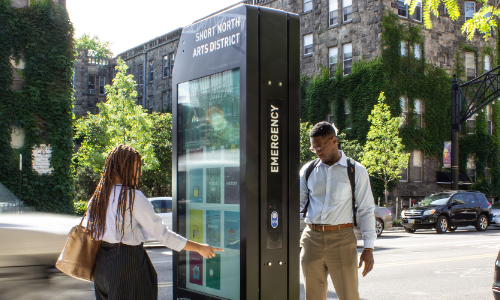
Chiosco cittadino intelligentela tecnologia sta guadagnando sempre più attenzione e slancio man mano che sempre più aree urbane diventano parte del movimento delle città intelligenti. Questi innovativi schermi dei chioschi stanno diventando onnipresenti nelle piazze cittadine, negli edifici governativi, nelle fermate degli autobus e nei marciapiedi, fornendo ai cittadini informazioni tempestive e specifiche sulla posizione. L’aumento della loro presenza solleva interrogativi sulla natura dei chioschi intelligenti e sui vantaggi che apportano alle città e ai loro residenti.
Introduzione di Smart Cchiosco di città
UNchiosco intelligentesi riferisce a un display interattivo comunemente posizionato nelle aree pubbliche, progettato per offrire agli utenti, visitatori o passanti informazioni e servizi vitali. QuestoLa segnaletica digitale esterna è un hub di informazione e comunicazione tecnologicamente avanzato strategicamente distribuito nelle aree urbane come parte di iniziative di città intelligenti. Questi chioschi sono dotati di schermi digitali, interfacce interattive e funzionalità di connettività per fornire una gamma di servizi e informazioni a residenti e visitatori.
Questi chioschi offrono in genere informazioni in tempo reale su eventi locali, orari dei trasporti pubblici, aggiornamenti meteorologici, mappe, avvisi di emergenza e altri dati rilevanti. Possono anche fornire servizi interattivi, come connettività WiFi, assistenza nell'orientamento e accesso a servizi o applicazioni comunali.
L’obiettivo principale dei chioschi delle città intelligenti è migliorare la vita urbana sfruttando la tecnologia per migliorare la comunicazione, l’accessibilità e l’efficienza complessiva dei servizi cittadini. Attraverso questi chioschi, le città mirano a creare comunità più connesse e informate, contribuendo al contempo al concetto più ampio di costruzione di ambienti urbani più intelligenti e sostenibili.

Cos'è una SmartCittà Kiosk Progettato per fare?
Un chiosco smart city è realizzato per offrire ai cittadini, ai visitatori o ai passanti un comodo accesso alle informazioni e ai servizi urbani. Tipicamente dotato di uno schermo digitale interattivo esterno, un chiosco intelligente consente agli utenti di cercare e ottenere facilmente le informazioni necessarie.
Cos'è una SmartCittà Kiosk'sRgamma di funzioni?
Lo scopo principale di asé digitale chiosco di servizioè consentire ai clienti di svolgere in modo indipendente una serie di attività comuni senza l'intervento di un dipendente dedicato. Questo abbraccia le attività.
Orientamento– assistere gli utenti nella navigazione per le strade della città e nell’individuazione delle destinazioni.
Trasporti– fornire orari e aggiornamenti sullo stato in tempo reale per autobus, metropolitane, treni e altri mezzi di trasporto pubblico.
Annunci– fornire informazioni su attività commerciali e ristoranti nelle vicinanze, comprese recensioni.
Eventi– offrire dettagli sugli spettacoli e sugli eventi comunitari aperti al pubblico.
Pagamento– facilitare le transazioni per le tariffe dei parcheggi o le bollette comunali.
Informazioni– dispensare notizie, aggiornamenti meteo e altre informazioni di interesse pubblico.
Servizi di emergenza: consentono agli utenti di contattare i servizi di emergenza, inclusa l'assistenza dal vivo quando necessario.
Avvisi– fornire al pubblico avvisi di maltempo, avvisi di colore ambra e informazioni sulla chiusura delle strade.
Wifi– funzionamento come hotspot WiFi gratuito per gli utenti.
Stazioni di ricarica– fornire accesso all’energia per caricare i dispositivi mobili.
Indipendentemente dalla funzione specifica, l’obiettivo generale è quello di migliorare l’autonomia dell’utente e l’efficienza operativa. Sebbene l'implementazione di sé I chioschi di servizio comportano un investimento di capitale iniziale, offrono alle aziende l'opportunità di automatizzare i processi di routine, riducendo così al minimo la necessità di manodopera aggiuntiva.
Tipi di chioschi
I chioschi mostrano diversità a seconda del tipo di attività e se il proprietario opta per una configurazione elettronica o la impiega con individui. La scelta della posizione è tipicamente influenzata dalla natura del chiosco. Ad esempio, un giornale locale potrebbe aprire un chiosco in un negozio di alimentari per facilitare l’iscrizione di nuovi abbonati. Allo stesso modo, le società di carte di credito installano spesso chioschi negli aeroporti per attirare potenziali clienti per carte di credito che offrono vantaggi come frequenti miglia volanti.
Chioschi per l'occupazione
Oltre ai chioschi dedicati ai prodotti o servizi al dettaglio, alcune aziende istituiscono chioschi per l'impiego dove i potenziali cercatori di lavoro possono presentare le loro domande di lavoro. Questo tipo di chiosco è particolarmente diffuso nelle catene di negozi come Walmart. I chioschi per l'impiego offrono un metodo semplificato per identificare rapidamente i candidati promettenti, che spesso portano a un'assunzione immediata IL interviste spot.
In genere, il chiosco comprende una postazione computer in cui i candidati possono utilizzare una tastiera o un touchscreen per inserire la propria storia lavorativa, dettagli sull'istruzione e informazioni personali. Alcuni chioschi per l'impiego somministrano anche test di valutazione per valutare i punti di forza e di debolezza del candidato. Le informazioni raccolte presso il chiosco sono solitamente prontamente accessibili al responsabile delle assunzioni.
Chioschi per il servizio di ristorazione
Per migliorare l'efficienza delle ordinazioni di cibo, alcuni ristoranti incorporano chioschi self-service nelle loro operazioni. I clienti possono navigare attraverso istruzioni interattive per scegliere i pasti e personalizzare i propri ordini. Questi chioschi in genere accettano pagamenti con carte di credito o debito, eliminando la necessità di un cassiere umano. L'integrazione dei chioschi nei ristoranti comporta una minore dipendenza dal personale allo sportello, con conseguente riduzione dei costi del personale per l'azienda.
Chioschi sanitari
Il settore sanitario adotta sempre più i chioschi come mezzo per facilitare il pagamento delle fatture, semplificare il check-in dei pazienti per gli appuntamenti e conservare le cartelle cliniche dei pazienti. Presso alcuni chioschi, i pazienti hanno la possibilità di misurare autonomamente la propria pressione sanguigna o di effettuare altri test non invasivi, condividendo successivamente i risultati con i propri medici. Alcuni chioschi medici forniscono anche video didattici riguardanti le condizioni mediche e i rispettivi trattamenti.
I chioschi per i pazienti contribuiscono alla riduzione dei costi dell'assistenza sanitaria riducendo al minimo le pratiche burocratiche ed eliminando la necessità di determinate posizioni di personale d'ufficio. Tuttavia, i critici dei chioschi medici spesso esprimono preoccupazioni sulla riservatezza dei pazienti nelle loro riserve sul loro utilizzo.
Chioschi Bitcoin
Un chiosco Bitcoin, comunemente indicato come ATM Bitcoin, è un chiosco connesso a Internet che consente alle persone di acquistare Bitcoin e altre criptovalute utilizzando depositi in contanti. Gli utenti possono avviare una transazione basata su blockchain attraverso il chiosco, indirizzando la criptovaluta acquistata al proprio portafoglio digitale. È importante notare che i chioschi Bitcoin differiscono dai tradizionali bancomat, poiché non facilitano il prelievo o il deposito di contanti. Servono invece come interfacce connesse a Internet per l’acquisto di criptovalute.
Chioschi fotografici
Anche se non così diffusi come in passato, i chioschi fotografici hanno goduto di popolarità nei centri commerciali negli anni '80 e '90. Per una cifra simbolica, le persone avevano l'opportunità di posare davanti all'obiettivo di una fotocamera, che avrebbe catturato da tre a quattro fotografie. I clienti avrebbero quindi aspettato un breve periodo mentre il chiosco elaborava e distribuiva le foto sviluppate. Inoltre, i chioschi fotografici automatici svolgono un'altra funzione, consentendo alle persone di sviluppare e stampare in modo indipendente le proprie fotografie da DVD, dischi rigidi portatili e memory stick.
Mentre la tecnologia continua ad evolversi, i chioschi smart city all'aperto sono pronti a svolgere un ruolo sempre più importante nel plasmare il futuro della navigazione sia negli spazi pubblici che privati. Se avete qualche richiesta, contattateciEKAA!!!


