
 English
 Español
 日本語
日本語 Français
 Deutsch
 Tiếng Việt
 العربية
 Portugues
 lingua italiana
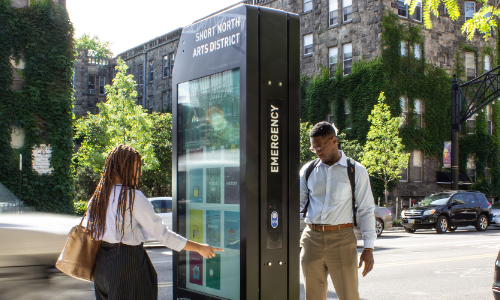
Kiosk thành phố thông minhcông nghệ đang ngày càng thu hút được sự chú ý và động lực khi ngày càng có nhiều khu đô thị trở thành một phần của phong trào thành phố thông minh. Những màn hình ki-ốt sáng tạo này đang trở nên phổ biến ở các quảng trường thành phố, tòa nhà chính phủ, bến xe buýt và vỉa hè, cung cấp thông tin kịp thời và cụ thể về địa điểm cho người dân. Sự hiện diện ngày càng tăng của chúng đặt ra câu hỏi về bản chất của các ki-ốt thông minh và những lợi thế mà chúng mang lại cho các thành phố và cư dân ở đó.
Giới thiệu Smart Cki-ốt ity
MỘTki-ốt thông minhđề cập đến màn hình tương tác thường được đặt ở các khu vực công cộng, được thiết kế để cung cấp cho người dùng, khách truy cập hoặc người qua đường thông tin và dịch vụ quan trọng. Cái nàybảng hiệu kỹ thuật số ngoài trời là một trung tâm thông tin và truyền thông tiên tiến về công nghệ được triển khai một cách chiến lược ở các khu vực đô thị như một phần của sáng kiến thành phố thông minh. Các ki-ốt này được trang bị màn hình kỹ thuật số, giao diện tương tác và tính năng kết nối để cung cấp nhiều dịch vụ và thông tin cho người dân và du khách.
Các ki-ốt này thường cung cấp thông tin theo thời gian thực về các sự kiện địa phương, lịch trình giao thông công cộng, cập nhật thời tiết, bản đồ, cảnh báo khẩn cấp và các dữ liệu liên quan khác. Họ cũng có thể cung cấp các dịch vụ tương tác, chẳng hạn như kết nối WiFi, hỗ trợ tìm đường và truy cập vào các dịch vụ hoặc ứng dụng của thành phố.
Mục tiêu chính của các ki-ốt trong thành phố thông minh là nâng cao cuộc sống đô thị bằng cách tận dụng công nghệ để cải thiện khả năng liên lạc, khả năng tiếp cận và hiệu quả chung của các dịch vụ của thành phố. Thông qua các ki-ốt này, các thành phố mong muốn tạo ra nhiều cộng đồng được kết nối và cung cấp thông tin nhiều hơn, đồng thời đóng góp vào khái niệm rộng hơn về xây dựng môi trường đô thị thông minh hơn, bền vững hơn.

Thông minh là gìThành phố KiOSK được thiết kế để làm gì?
Một ki-ốt thành phố thông minh được tạo ra để cung cấp cho người dân, du khách hoặc những người đi ngang qua khả năng tiếp cận thông tin và dịch vụ đô thị một cách thuận tiện. Điển hình có màn hình hiển thị kỹ thuật số ngoài trời tương tác, ki-ốt thông minh cho phép người dùng dễ dàng tìm kiếm và thu được thông tin cần thiết.
Thông minh là gìThành phố KiOSK'sRphạm vi của chức năng?
Mục đích chính của mộttự kỹ thuật số ki-ốt dịch vụlà trao quyền cho khách hàng để họ có thể độc lập thực hiện nhiều nhiệm vụ thông thường khác nhau mà không cần sự can thiệp của nhân viên tận tâm. Điều này mở rộng các hoạt động.
Tìm đường– hỗ trợ người dùng điều hướng các đường phố trong thành phố và định vị các điểm đến.
Vận tải– lịch trình trang bị nội thất và cập nhật trạng thái theo thời gian thực cho xe buýt, tàu điện ngầm, xe lửa và các phương thức giao thông công cộng khác.
Danh sách– cung cấp thông tin về các doanh nghiệp và nhà hàng gần đó, bao gồm cả các bài đánh giá.
Sự kiện– cung cấp thông tin chi tiết về các sự kiện giải trí và cộng đồng mở cửa cho công chúng.
Sự chi trả– tạo điều kiện thuận lợi cho các giao dịch về phí đỗ xe hoặc hóa đơn thành phố.
Thông tin– cung cấp tin tức, cập nhật thời tiết và các thông tin được công chúng quan tâm khác.
Dịch vụ khẩn cấp – cho phép người dùng liên hệ với các dịch vụ khẩn cấp, bao gồm hỗ trợ trực tiếp khi cần thiết.
Cảnh báo– cung cấp cho công chúng các cảnh báo thời tiết khắc nghiệt, cảnh báo màu hổ phách và thông tin về việc đóng cửa đường phố.
Wi-Fi– hoạt động như một điểm truy cập WiFi miễn phí cho người dùng.
Trạm sạc– cung cấp nguồn điện để sạc các thiết bị di động.
Bất kể chức năng cụ thể là gì, mục tiêu bao trùm là nâng cao quyền tự chủ của người dùng và hiệu quả hoạt động. Mặc dù việc tự thực hiện Các ki-ốt dịch vụ liên quan đến khoản đầu tư vốn ban đầu, chúng mang lại cho các công ty cơ hội tự động hóa các quy trình thông thường, từ đó giảm thiểu nhu cầu bổ sung nhân lực.
Các loại ki-ốt
Các ki-ốt thể hiện sự đa dạng tùy thuộc vào loại hình kinh doanh và liệu chủ sở hữu lựa chọn thiết lập điện tử hay bố trí nhân viên với các cá nhân. Việc lựa chọn địa điểm thường bị ảnh hưởng bởi tính chất của ki-ốt. Ví dụ: một tờ báo địa phương có thể thiết lập một ki-ốt tại một cửa hàng tạp hóa để tạo điều kiện thuận lợi cho việc đăng ký thuê bao mới. Tương tự như vậy, các công ty thẻ tín dụng thường xuyên lắp đặt các ki-ốt ở sân bay để thu hút khách hàng tiềm năng sử dụng thẻ tín dụng mang lại những lợi ích như thường xuyên sử dụng thẻ. dặm bay.
Ki-ốt việc làm
Ngoài các ki-ốt dành riêng cho các sản phẩm hoặc dịch vụ bán lẻ, một số công ty còn thành lập các ki-ốt việc làm nơi những người tìm việc tiềm năng có thể gửi đơn xin việc của họ. Loại ki-ốt này đặc biệt phổ biến ở các chuỗi cửa hàng như Walmart. Các ki-ốt việc làm cung cấp một phương pháp hợp lý để nhanh chóng xác định các ứng viên có triển vọng, thường dẫn đến việc tuyển dụng ngay lập tức. cái phỏng vấn tại chỗ.
Thông thường, ki-ốt bao gồm một trạm máy tính nơi người nộp đơn có thể sử dụng bàn phím hoặc màn hình cảm ứng để nhập lịch sử việc làm, chi tiết trình độ học vấn và thông tin cá nhân. Một số ki-ốt việc làm cũng tổ chức các bài kiểm tra đánh giá để đánh giá điểm mạnh và điểm yếu của ứng viên. Thông tin được thu thập tại ki-ốt thường được người quản lý tuyển dụng truy cập kịp thời.
Kiosk dịch vụ thực phẩm
Để nâng cao hiệu quả của việc đặt đồ ăn, một số nhà hàng kết hợp các ki-ốt tự phục vụ vào hoạt động của mình. Khách hàng có thể điều hướng qua các lời nhắc tương tác để chọn bữa ăn và điều chỉnh đơn hàng của mình. Các ki-ốt này thường phục vụ thanh toán bằng thẻ tín dụng hoặc thẻ ghi nợ, loại bỏ yêu cầu về nhân viên thu ngân. Việc tích hợp các ki-ốt trong nhà hàng giúp giảm sự phụ thuộc vào nhân viên quầy, dẫn đến giảm chi phí tiền lương cho công ty.
Kiosk chăm sóc sức khỏe
Lĩnh vực chăm sóc sức khỏe đang ngày càng áp dụng các ki-ốt như một phương tiện để hỗ trợ thanh toán hóa đơn, hợp lý hóa việc đăng ký lịch hẹn cho bệnh nhân và duy trì hồ sơ bệnh nhân. Tại một số ki-ốt nhất định, bệnh nhân có tùy chọn đo huyết áp một cách độc lập hoặc thực hiện các xét nghiệm không xâm lấn khác, sau đó chia sẻ kết quả với bác sĩ của họ. Một số ki-ốt y tế cũng cung cấp các video giáo dục về tình trạng y tế và phương pháp điều trị tương ứng.
Các ki-ốt dành cho bệnh nhân góp phần giảm chi phí chăm sóc sức khỏe bằng cách giảm thiểu thủ tục giấy tờ và loại bỏ nhu cầu về một số vị trí nhân viên văn thư. Tuy nhiên, những người chỉ trích các ki-ốt y tế thường bày tỏ lo ngại về tính bảo mật của bệnh nhân trong việc dè dặt về việc sử dụng chúng.
ki-ốt bitcoin
Ki-ốt Bitcoin, thường được gọi là ATM Bitcoin, là một ki-ốt được kết nối internet cho phép các cá nhân mua Bitcoin và các loại tiền điện tử khác bằng cách gửi tiền mặt. Người dùng có thể bắt đầu giao dịch dựa trên blockchain thông qua ki-ốt, chuyển tiền điện tử đã mua vào ví kỹ thuật số của họ. Điều quan trọng cần lưu ý là các ki-ốt Bitcoin khác với các máy ATM truyền thống vì chúng không tạo điều kiện thuận lợi cho việc rút hoặc gửi tiền mặt. Thay vào đó, chúng đóng vai trò là giao diện kết nối internet để mua tiền điện tử.
Kiosk ảnh
Mặc dù không còn phổ biến như trước đây nhưng các ki-ốt chụp ảnh vẫn rất phổ biến ở các trung tâm mua sắm trong những năm 1980 và 1990. Với một khoản phí danh nghĩa, các cá nhân có cơ hội tạo dáng trước ống kính máy ảnh, ống kính này sẽ chụp được ba đến bốn bức ảnh. Sau đó, khách hàng sẽ đợi một khoảng thời gian ngắn để ki-ốt xử lý và phân phối các bức ảnh đã được xử lý. Ngoài ra, các ki-ốt ảnh tự động còn phục vụ một chức năng khác, cho phép các cá nhân phát triển và in ảnh của họ một cách độc lập từ DVD, ổ cứng di động và thẻ nhớ.
Khi công nghệ tiếp tục phát triển, ki-ốt thành phố thông minh ngoài trời sẵn sàng đóng một vai trò ngày càng không thể thiếu trong việc định hình tương lai của việc điều hướng trong cả không gian công cộng và riêng tư. Nếu bạn có yêu cầu gì xin vui lòng liên hệEKAA!!!


